

Home / Advertising on ChatGPT: How It’s Rolling Out and Where It Could Go Next
Advertising on ChatGPT: How It’s Rolling Out and Where It Could Go Next
Book A Call
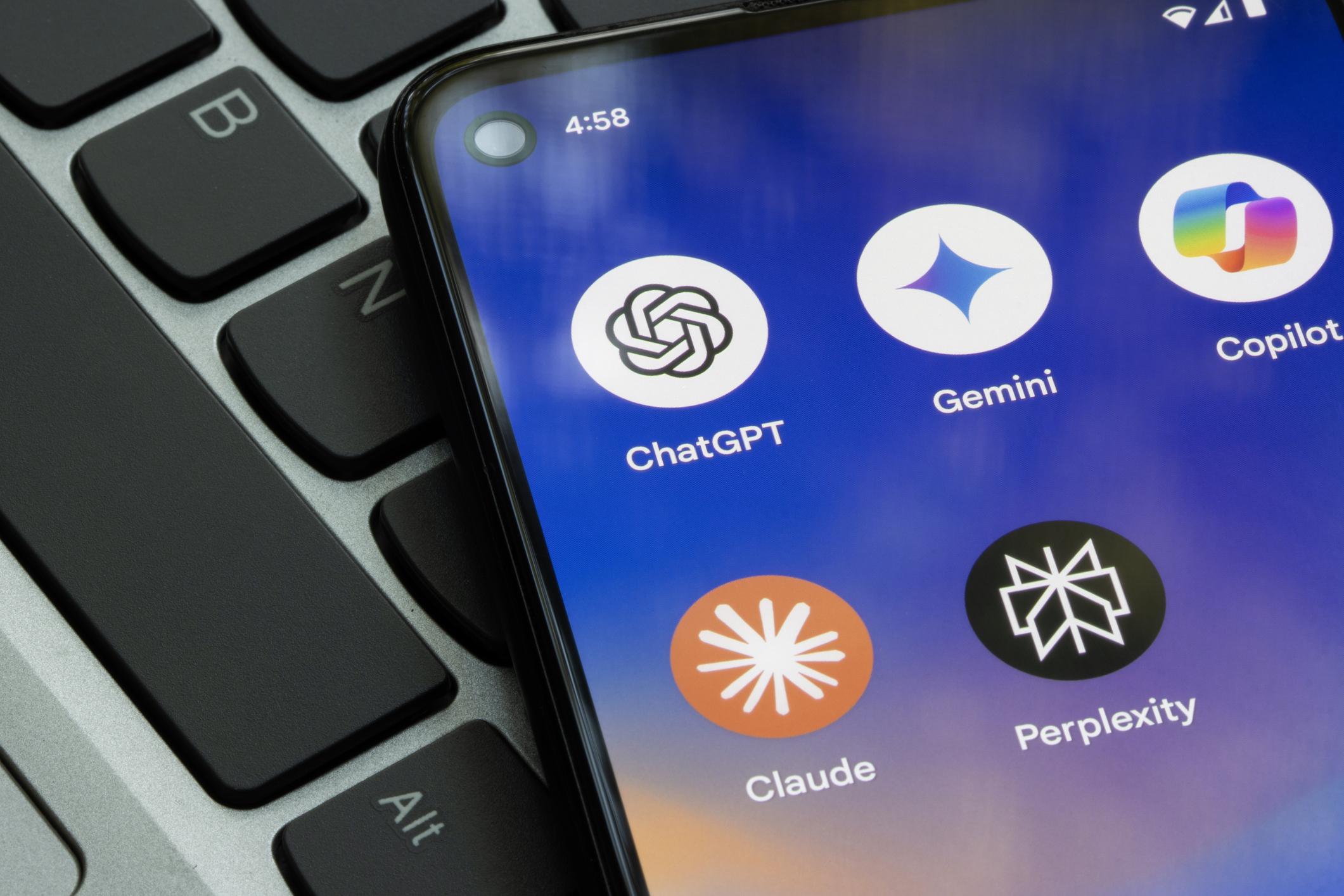
Advertising on ChatGPT is already live.
OpenAI has begun rolling out ads to users on the Free and Go tiers, with placements appearing below responses and clearly separated from the core answer. This is not a concept or future roadmap. It is an active test that is expanding.
What is still unclear is how large this channel becomes and how it fits alongside Google Paid Ads, Meta, and other established platforms.
For PPC agencies and performance marketers, the better question is not whether advertising on ChatGPT exists. It is how it evolves and whether it becomes a meaningful part of a paid media mix.
How Advertising on ChatGPT Works Right Now
The current version of advertising on ChatGPT is intentionally simple.
Ads appear below responses, not inside them. They are labeled and separated from the answer. The goal is to introduce monetization without disrupting the core user experience.
This tells you two important things.
First, OpenAI is being cautious about how ads affect trust. ChatGPT is used differently than social platforms. People rely on it for answers, not entertainment.
Second, the platform has not yet committed to a final ad format. What exists today is a starting point, not a finished system.
For online advertisers, this means there is no mature ChatGPT advertising strategy yet. There is only early access behavior and signals.
Why This Environment Is Different From Google and Social
Advertising on ChatGPT sits in a different position than traditional Paid Ad channels.
Google captures direct intent through search queries. Meta and TikTok create demand through content and interruption. ChatGPT sits closer to the decision process itself.
Users are not just searching. They are asking detailed questions, refining those questions, and evaluating options in real time.
That creates a different kind of ad opportunity.
Instead of competing for clicks across multiple results, ads appear after a user has already received an answer. That means the bar for relevance is higher. If the ad does not align with the question, it gets ignored immediately.
This is one of the biggest differences between advertising on ChatGPT and other platforms.
Where Experts Think Advertising on ChatGPT Could Go
There is no confirmed roadmap, but based on how other platforms evolved and how this test is structured, a few likely directions are being discussed.
More Precise Contextual Targeting
The most obvious path is better contextual alignment.
Instead of keyword targeting, ads would align with full questions and intent. ChatGPT has more context than a typical search query, which could allow for tighter matching between user need and advertiser message.
If this develops, advertising on ChatGPT could become one of the most intent-rich environments available.
Interactive Ad Experiences
Another likely direction is interaction.
Instead of static ads, users could engage with advertisers inside the chat. That could include asking follow-up questions, requesting details, or comparing options without leaving the interface.
This would move ads closer to a guided experience rather than a click-based model.
Integration With the Response Layer
This is the most debated possibility.
Some speculate that advertising on ChatGPT could eventually include sponsored recommendations that are more tightly integrated with responses. This would likely require strict labeling to avoid damaging trust.
Whether this happens depends entirely on how users react to current ad formats.
A Split Between Paid and Ad-Supported Users
A hybrid model is already taking shape.
Free users see ads. Paid users do not. This structure is familiar and likely to remain.
For advertisers, this means reach will be tied to the free user base, which may skew toward certain demographics and usage patterns.
The Biggest Barriers to Chat GPT Ads Growth
Even with ads live, there are real limitations that will affect how quickly advertising on ChatGPT scales.
User Trust
Trust is the foundation of the product.
If users feel that answers are influenced by advertisers, adoption could slow or shift back toward traditional search.
That is why current ads are clearly separated. Maintaining that separation will be critical.
Competition From Google and Meta
Google Ads and Meta Ads already dominate digital advertising.
They offer mature targeting, deep data, and proven performance. Advertising on ChatGPT does not have that yet.
For most digital advertisers, shifting budget away from established platforms requires clear performance advantages. That has not been proven yet.
Generational Adoption Gaps
Not all users are adopting ChatGPT at the same rate.
Younger users are more comfortable using conversational tools for research and decision making. Older audiences, especially baby boomers, are more likely to stick with Google and Bing.
This affects how scalable advertising on ChatGPT becomes in the near term.
Measurement and Attribution
Attribution is still unclear.
If a user asks a question, reads a response, sees an ad, and converts later through another channel, how is that tracked?
Until measurement improves, performance-focused advertisers will treat this as a secondary channel.
How This Fits Into a PPC Strategy
Advertising on ChatGPT is not a replacement for Google or social media marketing.
At best, it becomes an additional layer.
Google remains the primary channel for capturing direct intent. Social platforms continue to influence behavior and build awareness. ChatGPT could sit between those two, reaching users while they are actively thinking through a decision.
That is a valuable position, but it is not a standalone strategy.
For now, most advertisers should treat advertising on ChatGPT as something to monitor and test, not something to build around.
What PPC Agencies Should Be Paying Attention To
The opportunity here is not immediate scale. It is early positioning.
Watch how ad formats change.
Watch how users respond to those formats.
Watch whether engagement improves or declines over time.
Also pay attention to how advertisers are allowed to target and measure performance. Those two factors will determine whether this becomes a serious channel.
What Advertising on ChatGPT Means Going Forward
Advertising on ChatGPT is already happening. The question is how far it goes.
If the platform maintains trust and improves targeting and measurement, it could become a meaningful part of the digital advertising ecosystem.
If it fails to balance monetization with user experience, it will remain limited.
For PPC agencies and performance marketers, the smartest approach right now is simple.
Pay attention. Test carefully when appropriate. Do not overcommit early.
Like every new channel, the advantage goes to those who understand it before it becomes crowded.
If you’re looking to stay ahead of where paid media is going and get your ads in front of the right audience, LFG Media Group can help you build a strategy that aligns with how people actually make decisions today. Book a call with us and we’ll make sure your campaigns reach the right people. From there, it’s on your offer to convert. If needed, we can also help nurture those leads until they are ready.